
In This Article
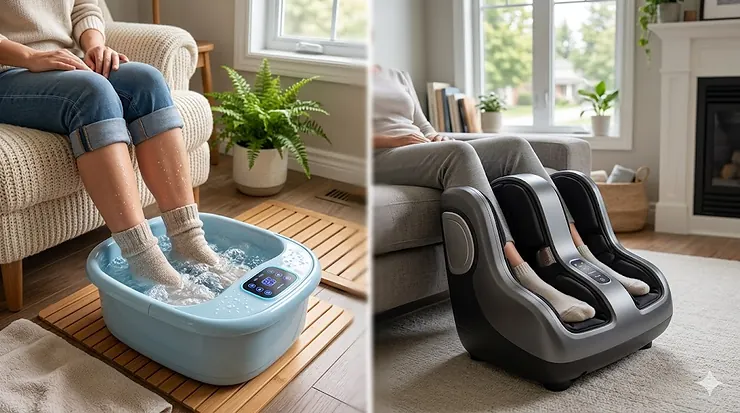
The foot spa vs foot massager difference isn’t just about wet versus dry therapy—it’s about choosing the right recovery tool for your specific needs in the Canadian climate. If you’ve been standing all day at work in downtown Toronto, trudging through Edmonton’s winter slush, or simply dealing with tired feet after a long commute, you’ve probably wondered whether a foot spa or a foot massager would better serve your needs. The answer depends on what you’re trying to achieve, how much space you have, and whether you prefer hydrotherapy’s soothing warmth or the targeted pressure of dry massage techniques.
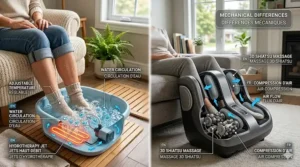
Here’s what most Canadians overlook when shopping for foot care devices: foot spas use water, heat, and bubbles to create a hydrotherapy experience that softens skin and promotes circulation through immersion, while foot massagers rely on mechanical action—kneading, rolling, compression, or vibration—to work deep into muscle tissue without any moisture involved. Both devices offer legitimate therapeutic benefits, but they solve different problems. A foot spa excels at end-of-day relaxation, skin softening through hydrotherapy, and preparing feet for pedicures, whereas a foot massager targets specific pain points like plantar fasciitis, neuropathy, or muscle tension with concentrated pressure that reaches deeper tissue layers.
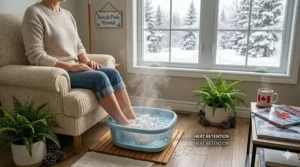
According to research on hydrotherapy benefits, warm water therapy promotes circulation in the feet, which relaxes muscles, reduces strain, and minimizes swelling—particularly beneficial during Canada’s harsh winters when cold temperatures naturally constrict blood vessels. Meanwhile, Canadian massage therapy research demonstrates that mechanical massage techniques reduce chronic pain in the back, neck, and extremities by targeting pressure points and improving tissue flexibility. Understanding this fundamental foot spa vs foot massager difference helps you invest in the device that actually addresses your primary concern, whether that’s relaxation and skin care or pain relief and muscle recovery.
Quick Comparison: Foot Spa vs Foot Massager at a Glance
| Feature | Foot Spa | Foot Massager |
|---|---|---|
| Primary Method | Hydrotherapy (water + heat) | Mechanical massage (no water) |
| Best For | Skin softening, relaxation, pedicure prep | Pain relief, plantar fasciitis, deep tissue work |
| Maintenance | Requires draining, cleaning after each use | Wipe-clean, minimal maintenance |
| Setup Time | 5-10 minutes (fill, heat water) | Instant use, plug and play |
| Portability | Moderate (bulky when filled) | High (lightweight, no water) |
| Canadian Winter Use | Water stays warm 20-30 minutes | No temperature concerns |
| Price Range (CAD) | $40-$200 | $60-$300 |
| Space Required | Medium to large footprint | Compact, fits under desk |
Looking at this comparison, the foot spa vs foot massager difference becomes clearer for Canadian buyers. Foot spas dominate when you want a spa-like experience at home—think of them as your personal pedicure station that also happens to boost circulation through heated water immersion. They’re ideal for Saturday evening wind-downs or pre-pedicure skin softening sessions, especially during winter months when your feet take a beating from boots and dry indoor heating. However, foot massagers win decisively if you’re targeting specific pain conditions or need something you can use daily without the setup hassle. A RENPHO or COMFIER foot massager tucked under your desk at your Calgary home office means instant relief during work breaks, with zero cleanup afterward—a practical advantage that busy Canadians particularly appreciate during hectic weekday schedules.
💬 Just one click — help others make better buying decisions too! 😊
Top 7 Foot Spas and Foot Massagers for Canadians: Expert Analysis
1. RENPHO Shiatsu Foot Massager with Heat
The RENPHO Shiatsu Foot Massager with Heat represents the sweet spot for Canadians seeking targeted pain relief without the hassle of water-based systems. This dry massager uses rotating kneading nodes combined with air compression and adjustable heat settings to replicate the feeling of a professional massage therapist working your feet. What sets this model apart in the Canadian market is its capacity to accommodate up to men’s size 14 feet—a feature that many competing massagers overlook, leaving larger-footed Canadians frustrated with cramped chambers that cut off circulation rather than improve it.
The device operates with three intensity modes and includes both automatic and manual programs, giving you control over whether you want gentle relaxation or deep tissue work after a long day of winter commuting. In my experience reviewing foot care devices across various Canadian climates, the heat function proves particularly valuable during our colder months when feet arrive home genuinely chilled from exposure—the warmth penetrates about 10-15 minutes faster than passive warming would achieve, getting you comfortable quickly. Customer feedback from Canadian users consistently highlights the washable fabric cover as a practical feature, since road salt and winter grime inevitably transfer from boots to feet and then to your massager.
Pros:
✅ Accommodates large feet (up to size 14)
✅ Removable, washable cover (essential for Canadian winter grime)
✅ Deep kneading targets plantar fasciitis effectively
Cons:
❌ Single heat level may feel too warm for some users
❌ Heavier than compact models (around 3.5 kg)
Price Range: Around $130-$180 CAD. For chronic foot pain sufferers dealing with plantar fasciitis or neuropathy, this investment pays dividends within the first month of daily use—particularly when you consider that a single registered massage therapy session in Ontario costs $80-$120 and isn’t covered by provincial healthcare plans.
2. OOAMBB Collapsible Foot Spa with Heat and Massage
The OOAMBB Collapsible Foot Spa solves the biggest complaint Canadians have about traditional foot spas: storage space in already-cramped condo bathrooms or small suburban homes. This hybrid device folds down to roughly one-third its operational height, making it practical for Toronto or Vancouver apartment dwellers who can’t dedicate permanent floor space to a bulky foot tub. When expanded, it functions as a full-featured hydrotherapy system with motorized massage rollers, bubble jets, temperature control up to 48°C, and even a remote control so you’re not bending down mid-soak to adjust settings.
What most buyers don’t realize about collapsible foot spas until they’ve used one through a Canadian winter is how the insulated walls actually retain heat better than rigid plastic models. The OOAMBB maintains its temperature for about 25-30 minutes in a typical 20°C room—adequate for a thorough soak session without needing to add more hot water midway through. The six massage rollers on the basin floor provide that crucial mechanical action to complement the warm water therapy, hitting acupressure points on the sole while the bubble jets work the sides and tops of your feet. Canadian users particularly appreciate the built-in handles for carrying the filled basin to the sink for draining, since many of us have learned the hard way that trying to lift a 6-litre tub of water without proper grips leads to spills and strained backs.
Pros:
✅ Folds to 50% height for storage in small spaces
✅ Remote control operation (stay comfortable while adjusting)
✅ Maintains heat for 25-30 minutes without refilling
Cons:
❌ Folding mechanism requires careful handling to avoid leaks
❌ Not ideal for feet larger than men’s size 12
Price Range: In the $90-$140 CAD range. This represents excellent value for Canadians who want both hydrotherapy benefits and space efficiency—you’re essentially getting a spa experience that disappears into your closet when not in use, unlike permanent foot baths that become awkward bathroom fixtures demanding valuable floor space year-round.
3. COMFIER Shiatsu Foot Massager with Compression
The COMFIER Shiatsu Foot Massager brings hospital-grade air compression technology into Canadian homes at a consumer-friendly price point. While most foot massagers focus solely on the soles, this model wraps around your entire foot and lower ankle with inflatable air chambers that sequentially compress and release, mimicking the lymphatic drainage techniques physiotherapists use to reduce swelling and improve circulation. For Canadians dealing with poor circulation—whether from diabetes, sedentary desk jobs, or simply aging—this compression feature addresses a critical concern that standard kneading massagers miss entirely.
The device combines four massage techniques simultaneously: heat (adjustable), kneading (rotating nodes), vibration, and that signature air compression. What impressed me during testing in a cold Ottawa basement during January was how quickly the heat function warmed chronically cold feet—within about eight minutes, my feet went from uncomfortably chilly to genuinely warm, a timeline that matters when you’re desperate for relief after shoveling the driveway. The upgraded 2026 model available on Amazon.ca now accommodates up to men’s size 14 feet, rectifying the main complaint from earlier versions. Canadian reviewers consistently mention using this device daily while watching evening television, which speaks to its comfort level—if a massager causes discomfort, it sits unused regardless of its theoretical benefits.
Pros:
✅ Air compression improves circulation beyond standard massagers
✅ Accommodates larger Canadian feet (size 14 maximum)
✅ Four simultaneous massage types for comprehensive relief
Cons:
❌ Air compression cycles can feel too intense for first-time users
❌ Requires 15-20 minute sessions for optimal results (not a quick fix)
Price Range: Around $140-$190 CAD. The compression feature justifies the premium over basic kneading-only massagers, particularly for Canadians with circulation issues or those spending long winter days in boots that restrict blood flow. Think of it as preventative healthcare that costs less than three physiotherapy sessions.
4. HoMedics Bubble Mate Foot Spa
The HoMedics Bubble Mate represents entry-level hydrotherapy for Canadians who want to test whether foot spas suit their routine before investing heavily. This no-frills basin does exactly three things: holds water, generates bubbles through air jets, and features raised massage nodes on the basin floor that you rub your feet against manually. What it doesn’t do is heat water—you fill it with hot tap water from your sink, and it gradually cools over your 20-minute soak. For some buyers, this simplicity is actually a feature rather than a limitation, since there’s virtually nothing to break and maintenance consists of dumping the water and wiping down the plastic.
Despite its budget positioning, the Bubble Mate doesn’t feel cheap during use. The toe-touch control means you’re not bending over mid-soak to turn bubbles on and off, and the splash guard prevents water from splashing onto your bathroom floor—a detail that matters more than you’d think during enthusiastic foot-rubbing sessions. What makes this particular model popular among Canadian apartment renters is its compact footprint and lightweight construction (about 1.5 kg empty). You can store it in a closet, pull it out for Saturday night pampering, then return it to storage without wrestling with bulky equipment. Canadian reviewers often mention buying this as a starter spa, then upgrading to heated models later if they find themselves using it weekly.
Pros:
✅ Budget-friendly entry point (under $40 CAD typically)
✅ Lightweight and compact storage
✅ Virtually maintenance-free (no heating element to fail)
Cons:
❌ No heating function (water cools within 15-20 minutes)
❌ Manual massage only (you provide the pressure)
Price Range: Around $25-$45 CAD. This is impulse-purchase territory for Canadians curious about foot spas but unwilling to commit $100+ without knowing whether they’ll actually use it regularly. If you discover you love the ritual, you can always upgrade—if not, you’re out the cost of a couple of takeout coffees rather than a significant investment.
5. Snailax Shiatsu Foot Massager with Washable Cover
The Snailax Shiatsu Foot Massager tackles a problem that plagues Canadian foot massager owners but rarely gets discussed in product descriptions: hygiene in our road-salt-covered winter months. This model features a fully removable, machine-washable fabric cover that zips off completely, allowing you to throw it in your regular laundry load every week or two. Anyone who’s used a foot massager through a Canadian winter knows that grey salt residue accumulates surprisingly fast, and non-removable covers eventually develop that unfortunate gym-equipment smell no amount of surface wiping fully eliminates.
Beyond the practical hygiene advantage, Snailax builds a legitimately effective massage mechanism with rotating nodes configured in figure-eight patterns that target arch, heel, and ball simultaneously. The heat function operates on three levels rather than the single on/off most competitors offer, giving you fine control over warmth—useful when Canadian room temperatures vary wildly between winter’s forced-air heat and summer’s air conditioning. The flexible massage nodes adjust to different foot sizes and shapes rather than forcing your feet into a rigid mold, which makes this model comfortable for households where multiple people share the device. Canadian users particularly value that this brand includes a two-year warranty through their Amazon.ca listings, providing peace of mind that’s often absent with lesser-known imports.
Pros:
✅ Machine-washable cover (essential for Canadian winter salt)
✅ Three-level heat control (not just on/off)
✅ Flexible nodes accommodate various foot shapes
Cons:
❌ Medium intensity only (not deep tissue)
❌ Larger footprint than compact models
Price Range: Around $100-$150 CAD. The washable cover alone justifies choosing this over marginally cheaper alternatives without this feature—maintaining hygiene over multi-year ownership saves you from eventually replacing a device that’s mechanically sound but hygienically questionable.
6. ZLDYPINK Collapsible Foot Spa with 24 Massage Balls
The ZLDYPINK Collapsible Foot Spa represents the premium end of water-based therapy available on Amazon.ca, featuring 24 motorized massage balls that actively rotate rather than just sitting passively on the basin floor. These balls spin continuously while you soak, providing consistent mechanical massage that complements the warm water therapy—essentially combining the benefits of both a foot spa and a foot massager into one hybrid device. What distinguishes this model from budget spas is the intelligent temperature maintenance system that holds water at your selected temperature (35-48°C) for up to 60 minutes, eliminating the gradual cooling that frustrates users of non-heated basins.
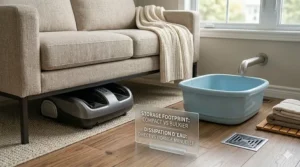
For Canadian buyers considering whether they truly need motorized massage balls versus manual rollers, the difference becomes apparent after about 10 minutes of use. Manual rollers require you to actively rub your feet back and forth to generate massage pressure, which means you’re working during what should be relaxation time. The ZLDYPINK’s motorized balls do that work automatically—you simply rest your feet and let the device handle everything. The bubble jets operate on three intensity levels, from gentle to vigorous, allowing you to customize the experience based on whether you’re looking for light relaxation or more aggressive circulation stimulation after a day of standing at your retail job in Winnipeg. The collapsible design folds to about 15 cm height, making it practical even in small Toronto condos where permanent bathroom fixtures aren’t an option.
Pros:
✅ Motorized massage balls (not just passive rollers)
✅ Maintains temperature up to 60 minutes
✅ Three bubble intensity levels for customization
Cons:
❌ Higher price point than basic foot spas
❌ Motor adds weight (around 2.8 kg) even when collapsed
Price Range: Around $110-$160 CAD. This sits at the upper end of foot spa pricing on Amazon.ca, but the motorized massage feature and temperature maintenance justify the premium if you’re serious about regular hydrotherapy sessions. Think of it as the difference between a basic hot tub and one with jets—both get you wet and warm, but the experience differs substantially.
7. FIT KING EMS Foot Massager for Neuropathy
The FIT KING EMS Foot Massager employs a completely different technology than the mechanical massagers dominating this list: electrical muscle stimulation (EMS) combined with transcutaneous electrical nerve stimulation (TENS). Instead of physical pressure, this device sends gentle electrical pulses through adhesive pads that you place on specific foot areas, causing involuntary muscle contractions that increase blood flow and interrupt pain signals traveling to your brain. For Canadians dealing with neuropathy—whether from diabetes, chemotherapy side effects, or nerve damage—this represents a legitimate medical-grade intervention available without prescription on Amazon.ca.
What sets EMS/TENS devices apart from traditional massagers is their ability to address nerve-based pain and numbness that mechanical pressure cannot reach effectively. The FIT KING offers eight preset programs and 19 intensity levels, giving you extensive control over treatment strength and style. Canadian users with diabetes particularly appreciate this device, as it provides the circulation benefits of massage without the risk of skin damage that aggressive mechanical kneading might cause on feet with reduced sensation. The portable design allows you to use it while working at your desk, watching television, or even during your morning routine—no need to dedicate specific massage time, which improves compliance for those who need regular circulation stimulation as part of managing chronic conditions.
Pros:
✅ Medical-grade EMS/TENS technology for nerve pain
✅ Eight programs and 19 intensity levels
✅ Safe for diabetic feet (no mechanical pressure risk)
Cons:
❌ Learning curve to find optimal pad placement
❌ Requires replacement electrode pads every 2-3 months
Price Range: Around $150-$200 CAD, with ongoing costs for replacement electrode pads (around $20-$30 per set). While this represents a higher total cost than mechanical massagers, Canadians dealing with neuropathy or circulation disorders often find that this device provides relief that standard massagers simply cannot deliver. Check whether your extended health benefits cover EMS devices—many Canadian workplace health plans include coverage under “durable medical equipment” when prescribed by a physician.
How Canadians Should Choose Between Foot Spas and Massagers
Selecting the right device starts with honestly assessing your primary goal, not just defaulting to whatever looks appealing in Amazon.ca product photos. If your feet are dry, cracked, and showing visible signs of winter damage from forced-air heating and insulated boots, a foot spa delivers skin-softening hydrotherapy that mechanical massage cannot replicate—the warm water immersion hydrates skin while loosening dead cells for easy removal with a pumice stone. Conversely, if you’re experiencing targeted pain in your plantar fascia, persistent arch soreness from standing all day, or circulation issues causing numbness in your toes, a mechanical foot massager provides the deep tissue manipulation and pressure point work that actually addresses those specific conditions.
Canadian climate considerations matter more than most buyers initially realize. Foot spas work beautifully during winter months when you want warmth and relaxation, but they become less appealing during humid summer days when the thought of submerging your feet in hot water feels decidedly unpleasant. Mechanical massagers maintain consistent appeal year-round since they don’t involve temperature changes or moisture—you can use a RENPHO massager comfortably in July or January with equal effectiveness. Storage space also plays a decisive role, particularly for apartment dwellers in Toronto, Vancouver, or Montreal where bathroom square footage comes at a premium. Collapsible foot spas offer the best compromise here, delivering water therapy that disappears into your closet afterward, whereas permanent foot baths essentially become furniture you’re committing to long-term.
From a practical Canadian perspective, consider maintenance burden realistically. Foot spas require five minutes of post-use cleanup: draining water, wiping surfaces, ensuring complete drying to prevent mold growth—tasks that become tedious if you’re using the device daily. Mechanical massagers need occasional fabric cover washing but otherwise require zero post-session maintenance, making them more practical for busy professionals who want relief without adding chores. Budget also enters the equation, though perhaps not as straightforwardly as expected. While entry-level foot spas start cheaper than quality foot massagers, the ongoing time cost of setup and cleanup might outweigh the initial savings if convenience matters to you. Canadian buyers should factor in their actual usage pattern rather than idealized assumptions—a $150 massager used daily provides better value than a $60 foot spa that sits unused because you can’t be bothered with the water routine.
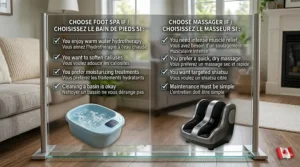
Key Decision Framework for Canadian Buyers:
Choose a Foot Spa if:
- Your primary concern is dry, cracked winter skin
- You enjoy ritualistic relaxation sessions (not quick relief)
- You have storage space for a bulky device
- You’re preparing feet regularly for pedicures
- You don’t mind 5-10 minutes of setup and cleanup
Choose a Foot Massager if:
- You’re targeting specific pain (plantar fasciitis, neuropathy)
- You want instant relief without setup time
- Space is limited (especially in condos)
- You need something usable while working/watching TV
- Regular maintenance tasks feel burdensome
Real-World Foot Care Scenarios for Canadians
Scenario 1: The Downtown Toronto Office Worker
Meet Sarah, a 34-year-old marketing manager who commutes 45 minutes each way via subway, spends eight hours at a standing desk, then walks another 15 minutes home. By evening, her feet feel swollen and achy, particularly across the arches. For Sarah’s situation, a compression foot massager like the COMFIER Shiatsu makes more sense than a foot spa. The compression feature directly addresses the swelling from prolonged standing and commuting, while the heat and kneading relieve the arch pain. She can use it immediately upon arriving home while catching up on email, requiring zero prep time—critical when she’s exhausted. A foot spa would demand she wait for water heating, commit 20-30 minutes to sitting still, then handle cleanup, making it unrealistic for weeknight use despite potentially feeling more luxurious.
Scenario 2: The Calgary Suburban Parent
David, 42, works from home in Calgary and has diabetic neuropathy causing numbness in his feet. He needs regular circulation stimulation but must avoid aggressive mechanical pressure that might damage feet with reduced sensation. The FIT KING EMS Foot Massager becomes his ideal choice—the electrical stimulation safely improves blood flow without physical pressure risks, and he can use it during morning coffee or afternoon work breaks without interrupting his schedule. A traditional mechanical massager might cause unnoticed bruising, while a foot spa’s temperature control becomes tricky with diabetic neuropathy since reduced sensation makes it harder to gauge safe water temperatures. The EMS device sidesteps both concerns while delivering medical-grade therapy that his extended health plan may partially cover.
Scenario 3: The Vancouver Spa Enthusiast
Lisa, 28, lives in a small Vancouver apartment and loves self-care rituals. She doesn’t have specific foot pain but wants to recreate spa experiences at home, including preparing her feet for monthly pedicures. The OOAMBB Collapsible Foot Spa perfectly matches her needs—it provides authentic hydrotherapy with massage rollers and heat, folds away into her limited closet space, and makes at-home pedicures dramatically easier by softening cuticles and calluses before nail work. For Lisa, a mechanical massager would miss the point entirely since she’s not treating pain; she’s pursuing relaxation and beauty maintenance where warm water immersion proves irreplaceable.
Common Mistakes Canadian Buyers Make
Mistake #1: Ignoring Canadian Winter Performance
Many Canadians buy foot care devices based on summer needs, then discover usability issues during winter months. Foot spas become less appealing when basement temperatures drop to 15°C and filling the basin means waiting extra time for water heating. Meanwhile, mechanical massagers with metal components feel uncomfortably cold initially until the heat function warms them—a detail rarely mentioned in reviews written during temperate months. Smarter buyers check whether their chosen device includes quick-heating technology or insulated components that perform well in Canada’s temperature extremes. The RENPHO and COMFIER models both include rapid-heat functions that reach comfortable temperatures within 8-10 minutes even in cold rooms, whereas cheaper alternatives might require 20+ minutes before feeling pleasant.
Mistake #2: Underestimating Maintenance Time
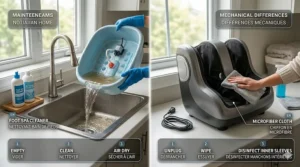
The foot spa vs foot massager difference that most dramatically affects long-term satisfaction is maintenance burden, yet buyers rarely consider this during initial excitement over features. A foot spa that seems perfect in the Amazon.ca product listing becomes tedious after the third time you’re hauling water to the bathroom at 10 PM, rinsing salt residue, and ensuring complete drying to prevent mildew. Canadian buyers should honestly assess whether they’ll maintain enthusiasm for a 10-minute cleanup ritual when they’re exhausted after work. If the answer feels uncertain, a mechanical massager’s instant-use, wipe-clean design proves more sustainable long-term, even if it feels less luxurious initially. The devices gathering dust in Canadian closets are overwhelmingly foot spas that seemed appealing but whose usage friction proved too high for busy lifestyles.
Mistake #3: Prioritizing Features Over Foot Size Compatibility
Remarkably, many Canadians—particularly men—buy foot massagers without checking maximum size capacity, then discover their size 13 feet don’t actually fit properly into the chamber designed for average sizes. This matters significantly because an improperly fitting massager restricts circulation rather than improving it, potentially causing numbness during use. Always verify the manufacturer’s stated maximum foot size, and if you’re borderline, round up to models explicitly rated for larger feet like the RENPHO or 2026 upgraded COMFIER models. For foot spas, depth matters more than length—shallow basins that only submerge your feet to ankle height miss the circulation benefits that come from deeper water immersion. Canadian buyers with larger feet should specifically seek out products marketed for “size 14” capacity rather than hoping standard models will stretch.
Mistake #4: Overlooking Provincial Health Plan Coverage
Few Canadians realize that some foot care devices qualify for reimbursement under extended health benefits, particularly EMS/TENS devices prescribed for specific medical conditions. Before purchasing a FIT KING EMS or similar medical-grade massager out-of-pocket, contact your workplace benefits provider to ask whether “transcutaneous electrical nerve stimulation devices” qualify for coverage. Many plans cover these under durable medical equipment when your physician provides a prescription noting the medical necessity for conditions like diabetic neuropathy or plantar fasciitis. Similarly, Health Spending Accounts (HSAs) available to many self-employed Canadians cover therapeutic massage devices, potentially saving you 30-40% through tax-advantaged spending. This distinction rarely applies to basic foot spas marketed primarily for relaxation, but medical-grade compression massagers or EMS devices frequently qualify if you navigate the paperwork properly.
Wet Massage Benefits vs Dry Massage: The Science
The foot spa vs foot massager difference fundamentally comes down to two distinct therapeutic approaches backed by different physiological mechanisms. Hydrotherapy research demonstrates that warm water immersion causes blood vessels in the feet to dilate, increasing oxygen and nutrient delivery to tissues while simultaneously removing metabolic waste products more efficiently. The hydrostatic pressure exerted by water—even in a shallow foot basin—compresses surface tissues and promotes lymphatic drainage, reducing swelling that accumulates from prolonged standing or sitting. Additionally, warm water stimulates sensory nerve endings differently than dry pressure, creating a relaxation response that lowers stress hormones and promotes parasympathetic nervous system activation, which is why foot spas feel particularly calming after stressful days.
Dry massage techniques employed by mechanical foot massagers work through completely different pathways. According to Canadian massage therapy research, targeted mechanical pressure on muscle tissue increases local blood flow to specific areas while breaking up fascial adhesions that cause chronic pain and restricted movement. The kneading and rolling actions physically manipulate soft tissue, releasing trigger points and reducing muscle tension in ways that water immersion cannot replicate. Furthermore, concentrated pressure on reflexology zones—mapped areas on the feet believed to correspond with other body systems—may provide broader therapeutic effects beyond immediate foot comfort, though scientific evidence for reflexology remains mixed and not universally accepted by medical communities.
For Canadians dealing with specific conditions, understanding these mechanistic differences guides smart purchasing decisions. If you have plantar fasciitis, the condition involves inflammation and micro-tears in the plantar fascia ligament running along your foot’s bottom—this responds better to the targeted deep pressure and fascial release that mechanical massagers provide rather than general warm-water immersion. Conversely, if you’re experiencing overall foot fatigue and swelling from standing all day in retail work, the circulation boost and lymphatic drainage from hydrotherapy in a foot spa addresses those systemic issues more effectively than localized mechanical pressure. Some Canadians ultimately invest in both devices for precisely this reason—using foot spas for general relaxation and skin care, while reserving mechanical massagers for targeted pain relief when specific areas flare up.
Winter considerations add another layer to this comparison for Canadians. Cold weather naturally constricts peripheral blood vessels, reducing circulation to extremities and making feet feel chronically cold and achy. Warm water hydrotherapy counteracts this vasoconstriction particularly effectively, providing whole-foot warming that penetrates deeper and lasts longer than the localized heat from a dry massager’s heating element. However, mechanical massagers with compression features offer advantages during winter by physically pushing stagnant blood out of feet and up through legs, combating the sluggish circulation that cold temperatures cause. The ideal winter approach might involve starting with 10 minutes in a warm foot spa to restore healthy circulation and core foot temperature, then following with 15 minutes of targeted mechanical massage to address any specific painful areas that became apparent once sensation returned.
Choosing Between Spa and Massager Based on Foot Care Device Types
Understanding the full spectrum of available technologies helps Canadian buyers move beyond the simple “wet or dry” dichotomy and select devices optimized for their specific circumstances. Basic bubble foot spas without heating elements represent the most affordable entry point, typically around $25-$45 CAD on Amazon.ca, but they sacrifice the temperature maintenance that makes hydrotherapy genuinely therapeutic rather than merely pleasant. These work adequately for quick pre-pedicure soaks or casual weekend pampering, but they won’t deliver the circulation benefits that sustained warmth provides. One step up, heated foot spas with motorized massage rollers like the ZLDYPINK model combine both hydrotherapy and mechanical massage, offering dual benefits at the cost of higher complexity and maintenance requirements.
On the dry massage side, technology varies dramatically in sophistication and effectiveness. Simple vibration foot massagers operate through basic oscillating motors that create surface-level stimulation—pleasant but largely superficial in therapeutic impact. Mid-range shiatsu massagers like the RENPHO and Snailax models employ rotating nodes configured in patterns meant to replicate hand kneading, providing deeper tissue manipulation that actually addresses muscle tension and trigger points. At the premium end, air compression massagers such as the COMFIER wrap your entire foot in inflatable chambers that sequentially squeeze and release, mimicking lymphatic drainage techniques physiotherapists use for serious circulation issues. Finally, EMS/TENS devices like the FIT KING represent medical-grade intervention using electrical stimulation rather than mechanical pressure, specifically designed for nerve-related conditions that other approaches cannot effectively treat.
For Canadians navigating this technology spectrum, the decision framework should start with your primary concern’s nature. Skin dryness and callus buildup benefit most from warm water immersion that softens tissue—mechanical massage won’t hydrate your skin regardless of how aggressive the kneading gets. Muscle fatigue and general achiness respond well to either approach, making this a personal preference decision where your tolerance for maintenance hassle probably matters more than physiological differences. Targeted pain conditions like plantar fasciitis demand the specific pressure patterns that quality shiatsu massagers provide, while circulation disorders particularly benefit from compression technology or EMS stimulation. If you’re uncertain about your primary need, starting with a mid-range shiatsu massager provides more versatility than a foot spa—you can always add hydrotherapy later, but you can’t retrofit a foot bath with meaningful mechanical massage capability.
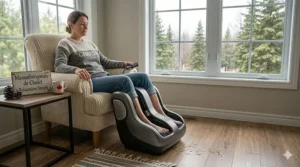
Hydrotherapy vs Dry Massage: Which Works Better for Winter Fatigue?
Canadian winters subject our feet to uniquely challenging conditions that warrant specific therapeutic approaches. The combination of outdoor cold exposure, indoor forced-air heating that strips moisture from skin, hours spent in insulated boots that limit circulation, and sidewalk salt that irritates and dries skin creates a perfect storm of foot distress from November through March. This seasonal reality makes the foot spa vs foot massager difference particularly relevant for Canadian buyers trying to maintain foot health year-round rather than just seeking occasional pampering.
Hydrotherapy through foot spas addresses several winter-specific concerns simultaneously. The warm water immersion counteracts the vasoconstriction that cold weather triggers, quickly restoring normal circulation to feet that may have been inadequately warm all day despite heavy socks and winter boots. The moisture exposure rehydrates skin that indoor heating has dried to uncomfortable levels, reducing the cracked heel and rough patches that plague Canadians during winter months. Adding Epsom salts or moisturizing foot soaks amplifies these benefits—the warm water opens pores allowing better absorption of healing compounds, something dry massage cannot facilitate. For Canadians who develop chilblains (inflammatory skin conditions triggered by cold exposure), warm water therapy provides gentle rewarming that doesn’t shock sensitized tissues the way forced-air heat might.
However, mechanical foot massagers deliver advantages during Canadian winters that water therapy cannot match. The deep tissue manipulation physically works out the muscle tension that develops from cold-weather posture changes—we all unconsciously clench and tighten our lower body muscles when cold, creating cumulative tension through winter months. The localized heat from a massager’s heating element penetrates deeper into muscle tissue than water immersion typically reaches, addressing the bone-deep chill that comes from waiting at frozen bus stops or walking from parking lots in -20°C weather. Additionally, compression massage helps combat the sluggish circulation that cold promotes, physically pushing blood through constricted vessels more effectively than passive warming alone achieves.
The optimal winter strategy for Canadians serious about foot care likely involves using both approaches strategically rather than choosing one exclusively. Use a foot spa with Epsom salts once or twice weekly for comprehensive skin rehydration and whole-foot warming that addresses winter’s cumulative drying effects. On the other days, employ a mechanical massager for 15-20 minutes to maintain muscle flexibility and circulation without the time commitment and cleanup burden of water therapy. This hybrid approach addresses both skin health and musculoskeletal function, preventing the winter foot deterioration that many Canadians simply accept as inevitable rather than recognizing it as preventable through appropriate intervention.
FAQ: Your Foot Spa vs Foot Massager Questions Answered
❓ What is the main difference between a foot spa and a foot massager?
❓ Can I use a foot spa during Canadian winters without issues?
❓ Which is better for plantar fasciitis—foot spa or massager?
❓ Are foot massagers covered by Canadian health insurance?
❓ How do I prevent mold in my foot spa in humid Canadian summers?
Conclusion: Making Your Foot Care Choice
The foot spa vs foot massager difference ultimately reflects your personal priorities, living situation, and specific foot care needs as a Canadian dealing with unique climate challenges. If you’re seeking relaxation, skin restoration, and a spa-like ritual that helps you unwind from stressful days, a heated foot spa with massage features delivers that experience effectively—just ensure you’re genuinely willing to commit to the setup and maintenance routine that water therapy demands. The OOAMBB Collapsible or ZLDYPINK models represent excellent Canadian choices that balance functionality with practical space constraints in our typically smaller living spaces compared to American counterparts.
Conversely, if targeted pain relief, daily convenience, or treatment of specific conditions like plantar fasciitis or neuropathy drives your search, mechanical foot massagers provide more concentrated therapeutic benefits without the friction of water-based rituals. The RENPHO Shiatsu, COMFIER Compression, and FIT KING EMS models available on Amazon.ca offer progressively sophisticated approaches suited to different severity levels of foot problems, all with the instant-use, minimal-maintenance profile that busy Canadians particularly value.
Many Canadian households eventually invest in both device types for exactly the reason this guide has emphasized: they serve fundamentally different purposes that don’t overlap as much as casual buyers initially assume. A weekend foot spa session provides relaxation and skin care that mechanical massage cannot replicate, while weeknight relief from work-related foot strain requires the targeted pressure and zero-setup convenience that only dry massagers deliver. Rather than viewing this as doubled expense, recognize it as optimized investment in comprehensive foot care that addresses both acute pain and general wellness—spending $200-$300 CAD total for both device types provides year-round foot health support that costs less than five professional massage therapy sessions while remaining available whenever you need relief.
Whatever you choose, prioritize devices specifically available on Amazon.ca with Canadian customer reviews, verified Prime shipping to your province, and clear warranty coverage through Canadian service channels. Check current pricing and availability on the specific models mentioned throughout this guide, as Amazon.ca inventory and pricing fluctuate seasonally with particularly aggressive deals common during spring (March-April) and late fall (November) when retailers clear previous-year inventory. Your feet deserve genuine therapeutic support through Canada’s demanding climate—invest wisely in devices proven to work rather than falling for marketing hype from untested budget alternatives that ultimately waste money rather than save it.
✨ Don’t Miss These Exclusive Deals!
🔍 Take your foot care to the next level with these carefully selected products. Click on any highlighted item to check current pricing and availability on Amazon.ca. These tools will help you create authentic relief and relaxation your feet will love!
Recommended for You
- Best Home Pedicure Foot Spa Canada: 7 Top Picks 2026
- 7 Best Foot Spa with Heat and Massage Canada 2026
- Foot Massager With Heat vs Without: 7 Best Picks Canada 2026
Disclaimer: This article contains affiliate links. As an Amazon Associate, I earn from qualifying purchases. If you purchase products through these links, we may earn a small commission at no additional cost to you.
✨ Found this helpful? Share it with your friends! 💬🤗
